The Role of Fire in Fynbos & Renosterveld: Nature’s Reset Button
Fire Season in the Overberg
Fire can be unsettling to witness, especially in a region as naturally beautiful and biodiverse as the Overberg. But in many parts of the Western Cape, fire is not only expected - it is essential to life and continuity.
At Melozhori Private Game Reserve, our landscapes include both fynbos and renosterveld, two of South Africa’s most ecologically significant vegetation types. While fire is often associated with destruction, it also plays an important role in the long-term health of the veld. In this blog, we explore why burning is part of nature’s cycle in the Cape Floral Kingdom, and how the land regenerates after fire.
The Overberg: A Region of Exceptional Biodiversity
Melozhori is situated in the Overberg, a region recognised for its extraordinary biodiversity and unique plant life. This is not simply “bush” in the traditional safari sense – it is a complex mosaic of vegetation types shaped by climate, soil, and natural cycles.
Two of the most important habitats found in this part of the Western Cape are:
- Fynbos – a globally unique vegetation type with high species richness
- Renosterveld – one of South Africa’s most threatened ecosystems
Both play a critical role in supporting wildlife, birdlife, insects, pollinators, and seasonal wildflowers – and both have evolved alongside fire for thousands of years.
What Is Fynbos and Why Fire Matters?
Fynbos is one of the defining features of the Cape Floral Kingdom. It is best known for its fine-leaved shrubs, hardy plant species, and incredible variety – all thriving in nutrient-poor soils and a Mediterranean climate.
A key characteristic of fynbos is that it is fire-adapted. Many fynbos species require periodic burning to:
- clear out older, dense growth
- stimulate seed release
- encourage germination
- allow sunlight to reach the ground layer
- create space for new plants to establish
Without fire, fynbos can become overly mature and less diverse. In other words, while fire can be destructive in the moment, it can also be a necessary part of long-term ecological balance.
What Is Renosterveld and Why Is It Special?
Renosterveld is less widely understood than fynbos and far rarer. It typically occurs on richer soils and is characterised by a mix of:
- shrubs
- grasses
- seasonal bulbs
- flowering plants
Historically, renosterveld covered large parts of the Western Cape. Today, much of it has been transformed by agriculture, making the remaining fragments extremely valuable from a conservation perspective. Renosterveld is known for its spring wildflower displays and for supporting a wide range of pollinators. It also provides habitat for birds and small wildlife that rely on healthy veld structure.
Fire as a Natural Reset Button
Fire is not unusual in this biome. In fact, many fynbos and renosterveld landscapes depend on burning at intervals in order to regenerate.
While it may look dramatic, fire can bring several ecological benefits:
1. It clears out old growth
Over time, vegetation becomes dense and shaded. Fire removes this layer and opens the veld, allowing young plants to emerge.
2. It improves plant diversity
Many species remain dormant until conditions are right. Fire can trigger the return of plants that may not have been visible for years.
3. It returns nutrients to the soil
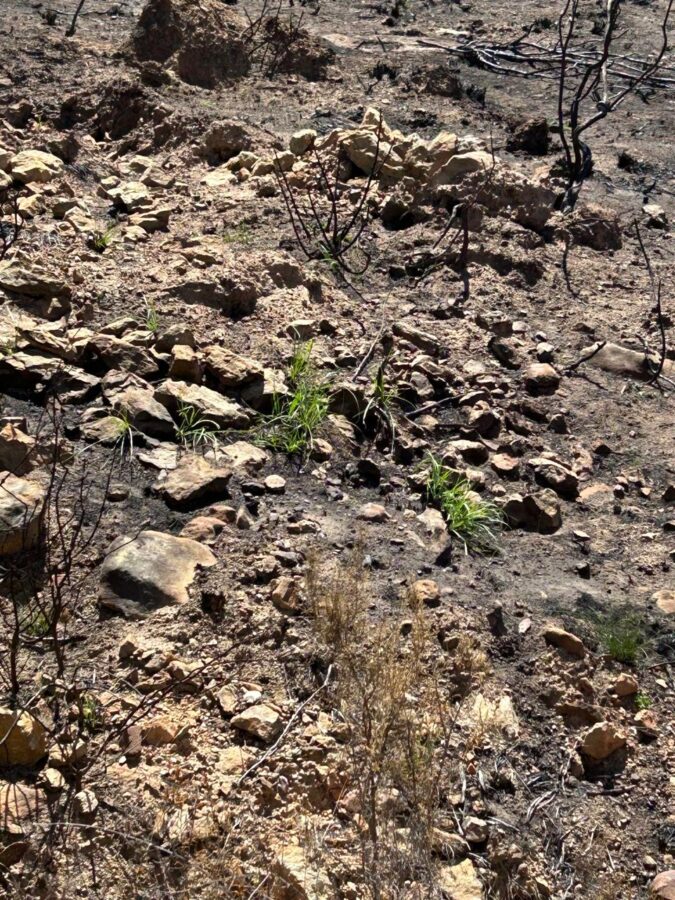
Ash and burnt plant material help release minerals back into the soil, which is especially important in nutrient-poor areas.
4. It creates space for new life
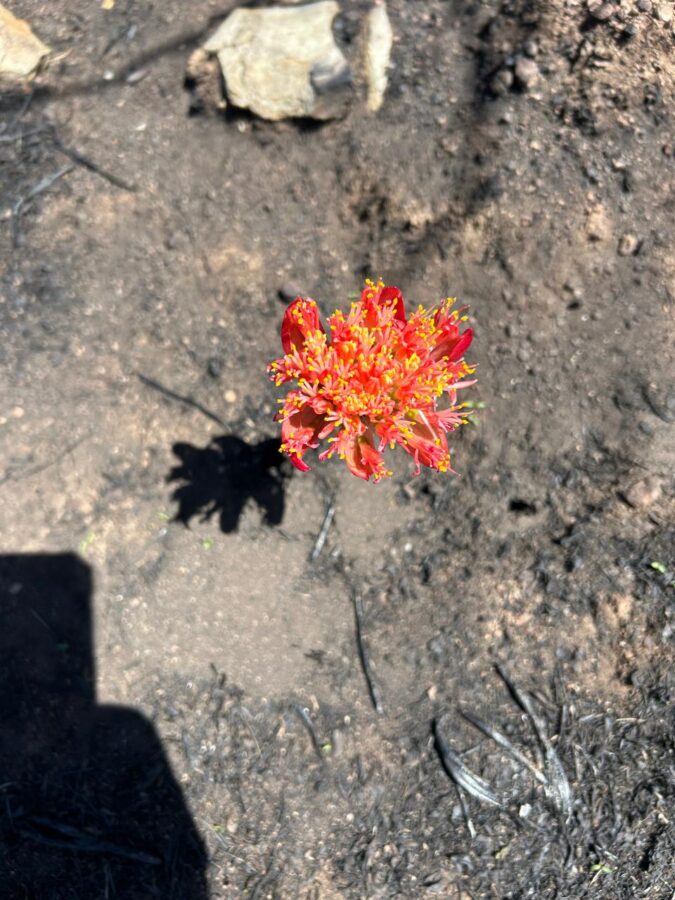
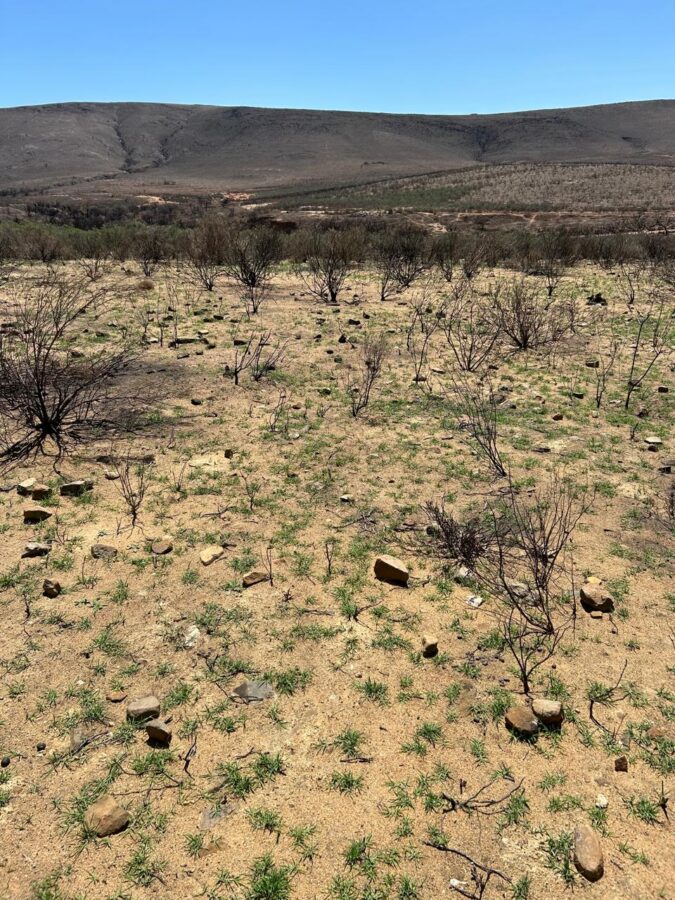
In the months following a burn, the veld becomes an active stage for regeneration – with fresh green shoots, new flowering plants, and increased insect and bird activity.
What Happens After the Fire?
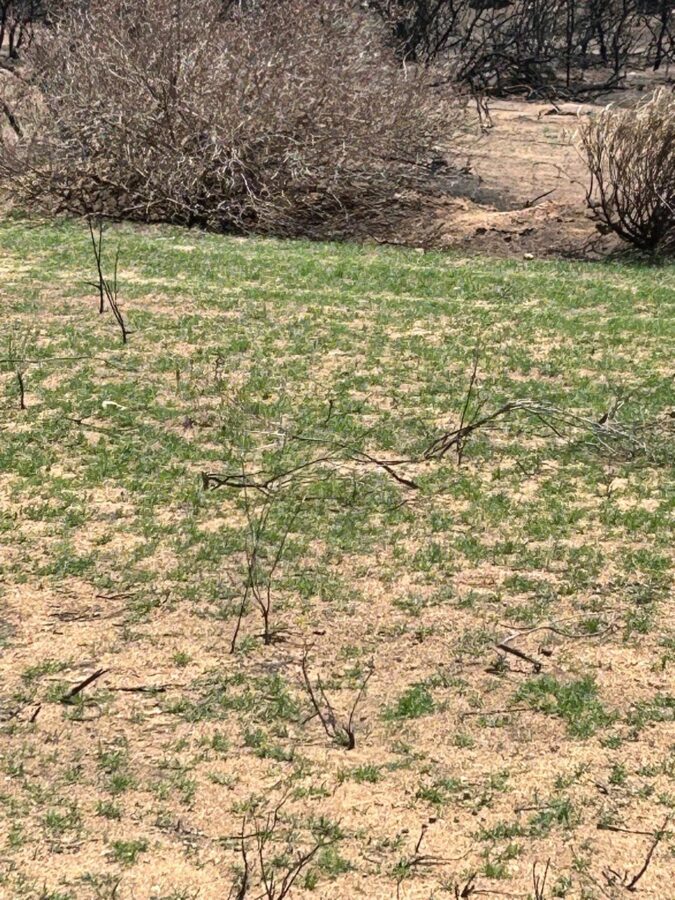
The real transformation begins once the flames have passed. In many cases, the first signs of recovery appear surprisingly quickly.
Depending on the season and rainfall, guests may notice:
- fresh green regrowth within weeks
- an increase in grazing activity in open areas
- new wildflower emergence in the following spring
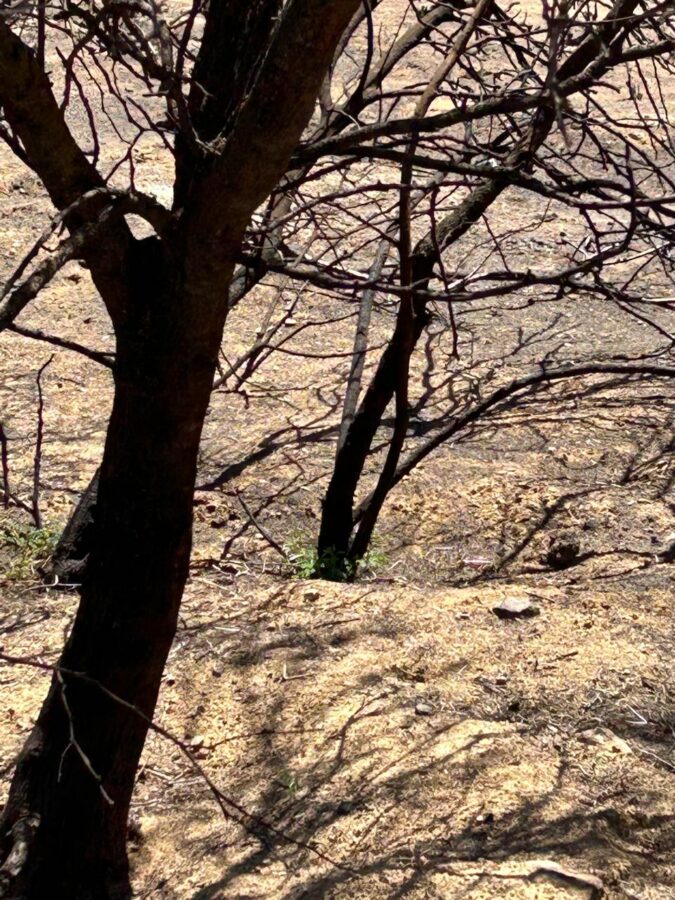
- young shrubs resprouting from hardy root systems
- improved visibility for birding and wildlife viewing
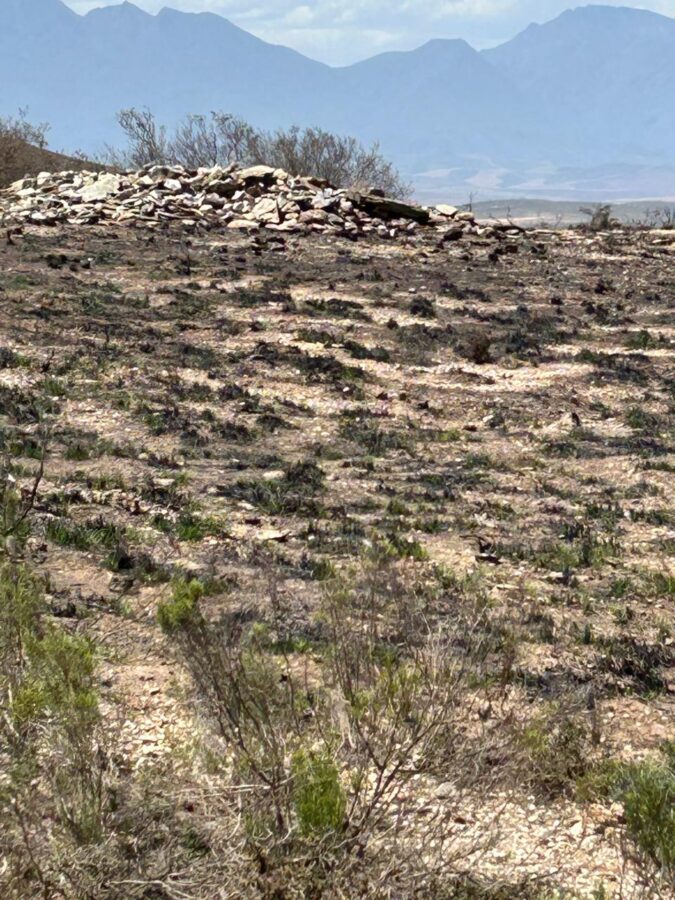
In the Overberg, the post-fire period can be one of the most interesting times to explore. The landscape often becomes a patchwork of burnt and unburnt sections, offering a clear view into nature’s processes.
Wildlife and Birdlife After Fire
Fire impacts more than plants – it also influences the behaviour of wildlife.
In general:
- animals move away from active fire areas when possible
- once the area cools, many return to feed on fresh regrowth
- birds of prey often benefit from open terrain and increased hunting opportunities
- insect life rebounds quickly, supporting birds and pollinators
At Melozhori, where the reserve supports a wide range of species, these natural shifts form part of the ongoing story of the land.
Fire Management: Respecting Nature While Prioritising Safety
While fire is a natural ecological process, it is also a force that must be respected. Across the Western Cape, landowners and conservation teams work continuously to reduce wildfire risk through responsible planning and preparedness.
At Melozhori, our long-term approach is guided by two priorities – supporting the natural cycles that sustain fynbos and renosterveld and ensuring the safety of guests, staff, and infrastructure. This balance is part of what responsible conservation looks like in a region shaped by fire.
The Overberg’s biodiversity is one of its greatest natural assets. Protecting fynbos and renosterveld means protecting the foundation of the ecosystem – not only the plant life, but the wildlife and birdlife that depend on it.
Fire reminds us that nature does not remain static. It changes, regenerates, and adapts. And in the Western Cape, burning is not always an ending – it is often the beginning of a healthier, more diverse veld.